
Intervene carefully. Change should be precise, proportionate and informed by the living system in which we act.
Living heritage · learning · community · rural futures
Rooted in Mesta.
Open to the world.
AMIA is a place-based civic, learning and cultural innovation organisation in Mesta, Chios. We prepare the ground for people, knowledge, relationships and ideas to connect, grow and endure.
Mesta is a place with a future
Not simply preserved, visited or remembered — living.
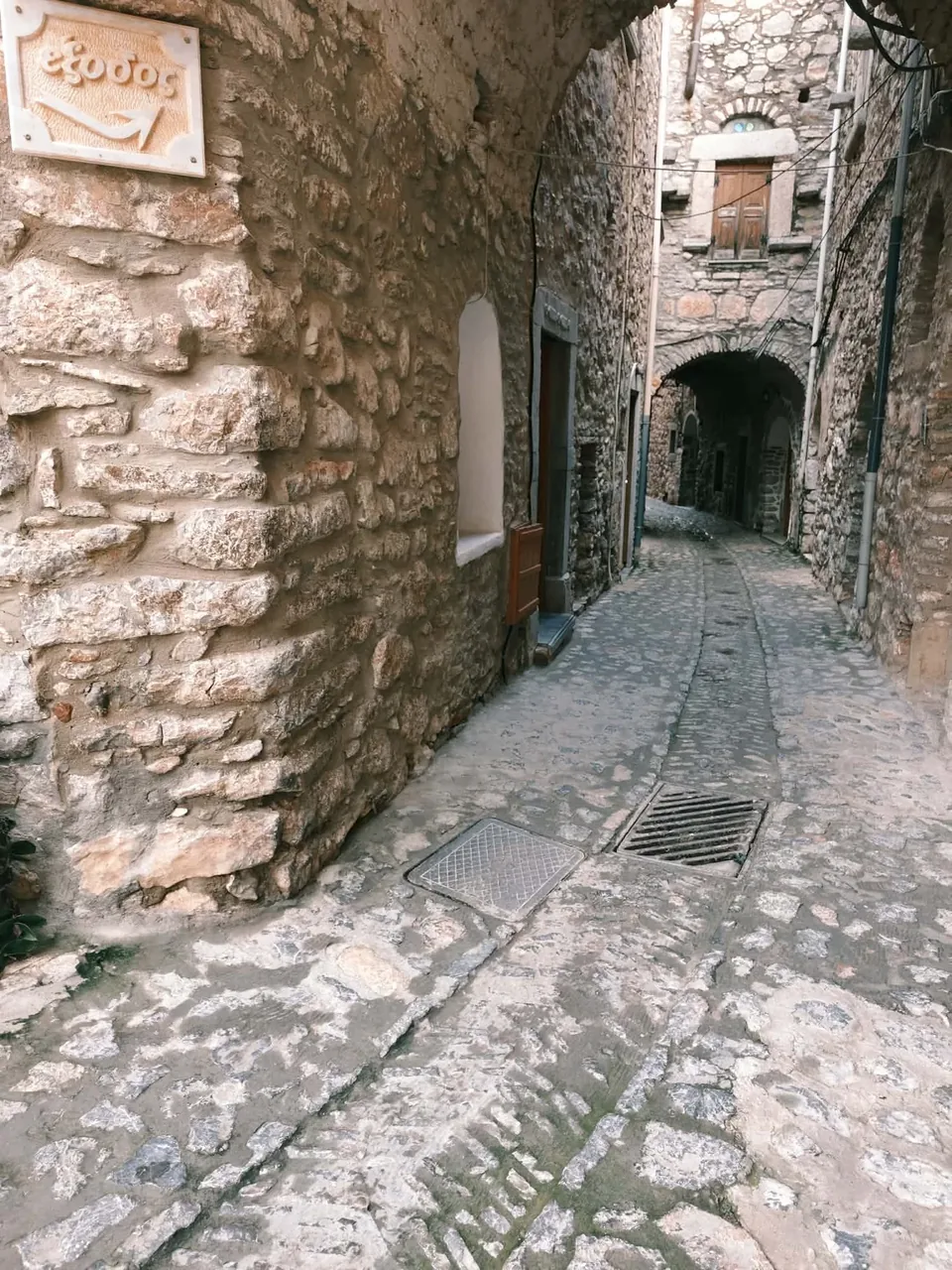
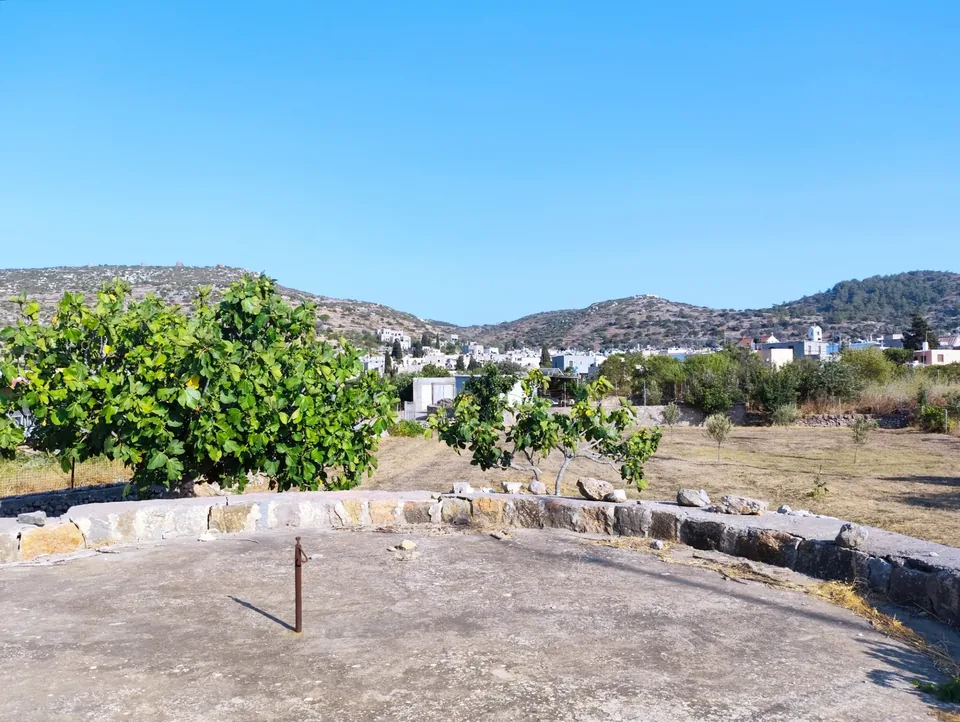
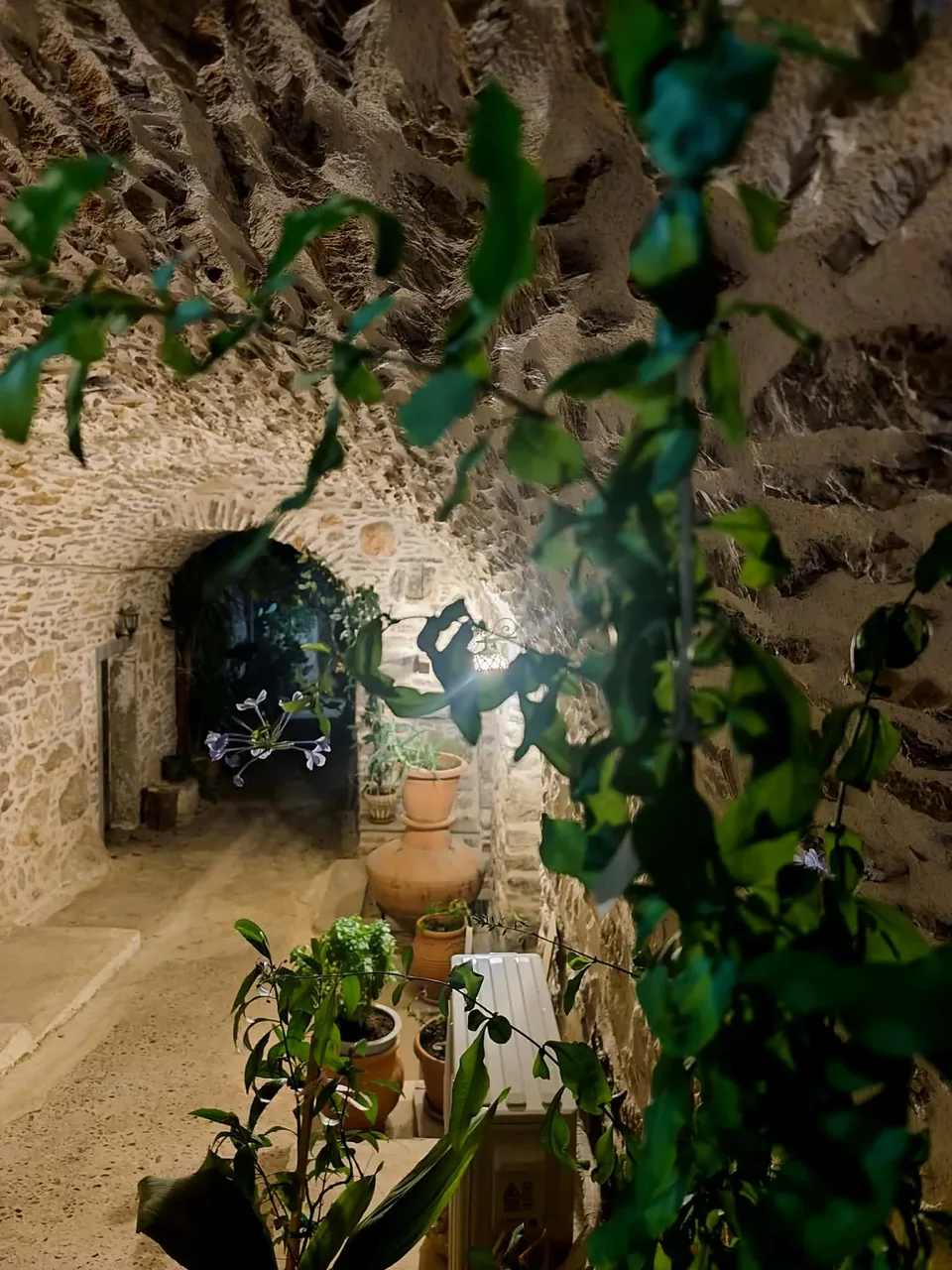
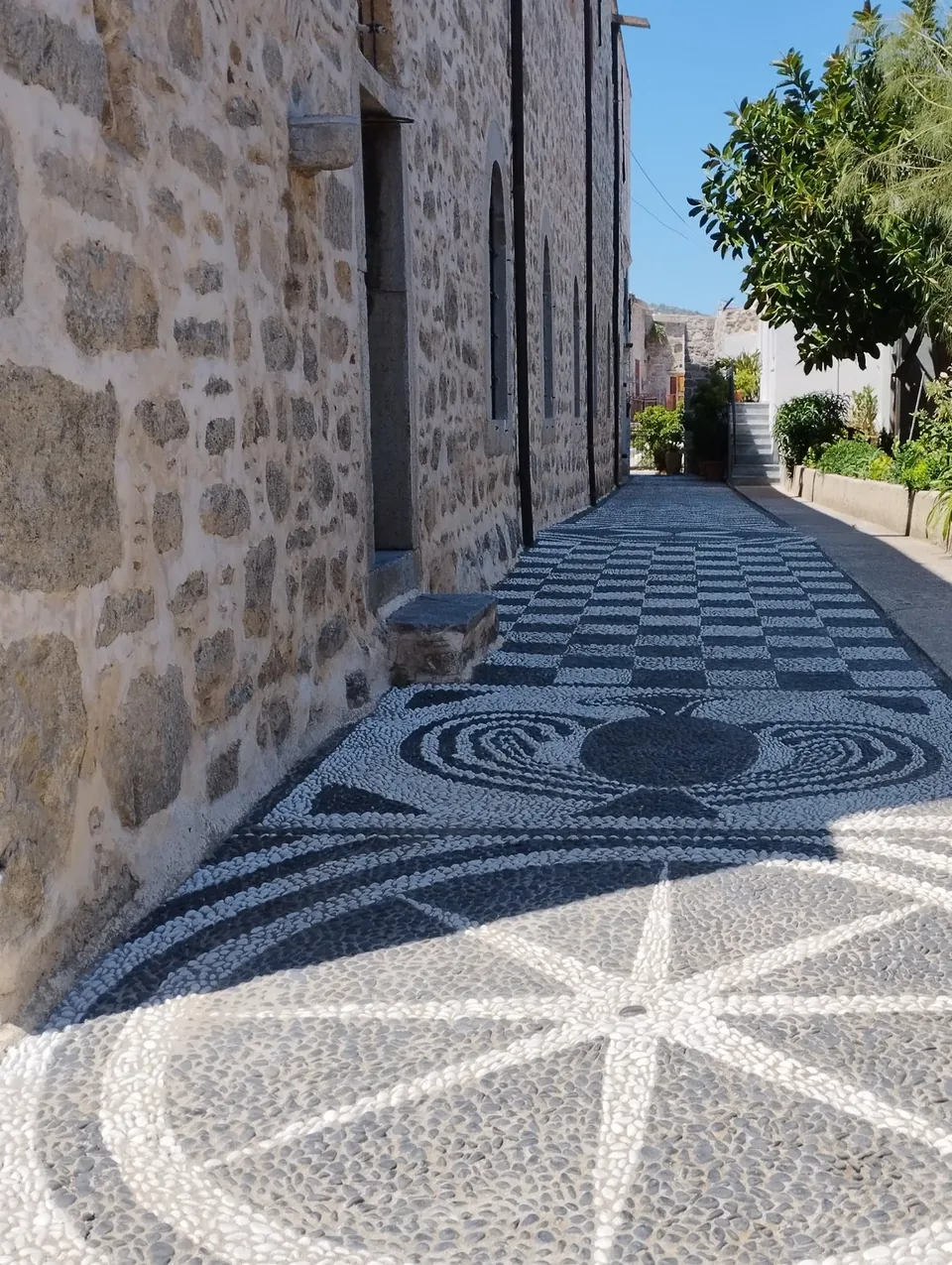
Mesta’s medieval form, stone houses, vaulted passages, mastic landscape, customs, language and memories give it an unmistakable identity. But its greatest resource is not only what has survived from the past. It is the continuing capacity of people to belong, return, contribute and act together.
AMIA begins from these strengths. We work to add long-term capacity: connecting local experience with professional knowledge, volunteering with well-designed action, and a deeply rooted community with wider networks of learning, research, culture and innovation.
Why AMIA
Preparing the ground.
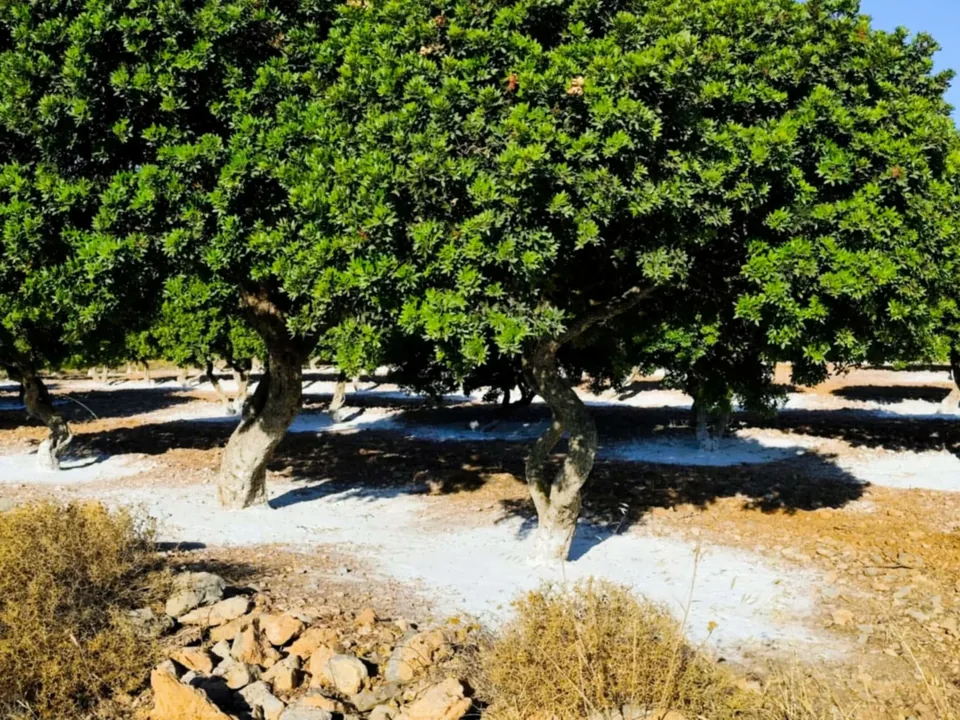
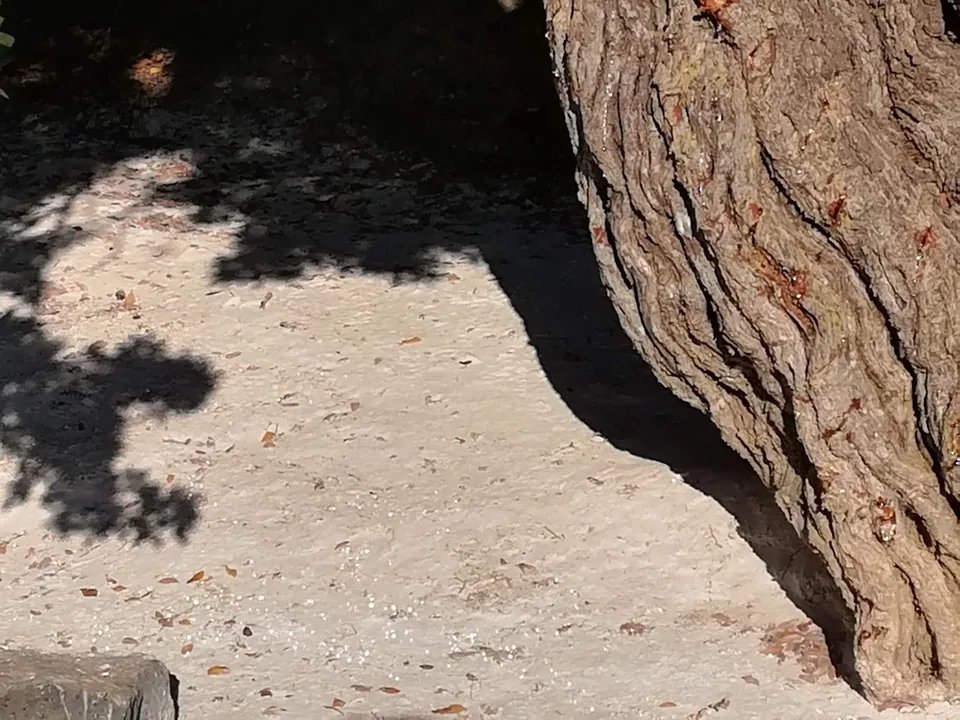
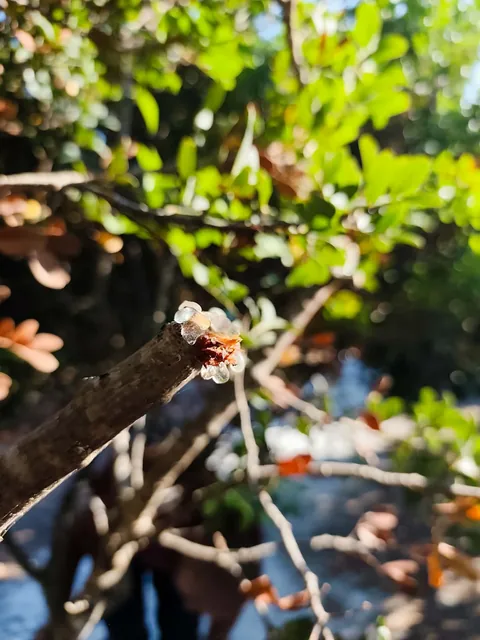
The amia (άμια) is a traditional tool of mastic cultivation used to clear and level the ground beneath the tree before the kentos. It is modest, but essential: it creates the conditions in which what the tree produces can be received and gathered.
That is also how we understand our role. We do not come to impose a ready-made future. We listen first, remove obstacles where possible, make room for participation and strengthen the capacity through which what already exists — people, knowledge, relationships, skills and ideas — can become more connected and effective.
A local vocabulary for how we work
Five images. One philosophy.
These are not separate programmes. They are ways of thinking about careful, connected and lasting community action.
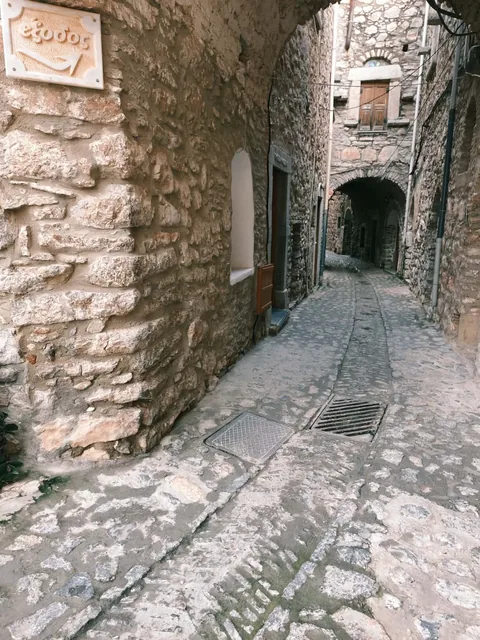
Connect without making everything the same. Separate homes, people and capacities can remain distinct while forming a wider network.
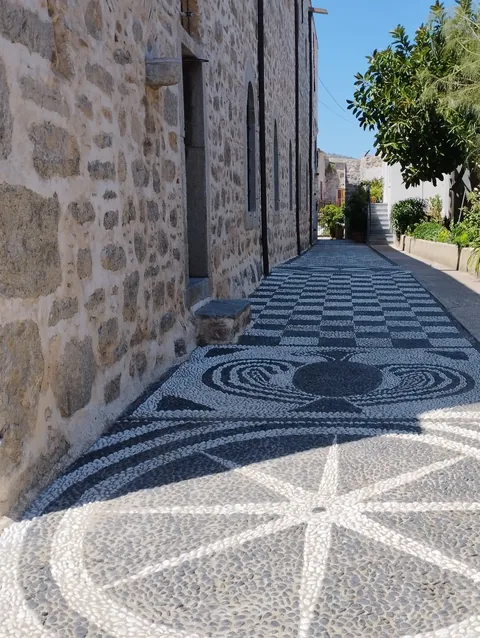
Weave contributions together. Small acts, relationships and skills can become part of a larger pattern.
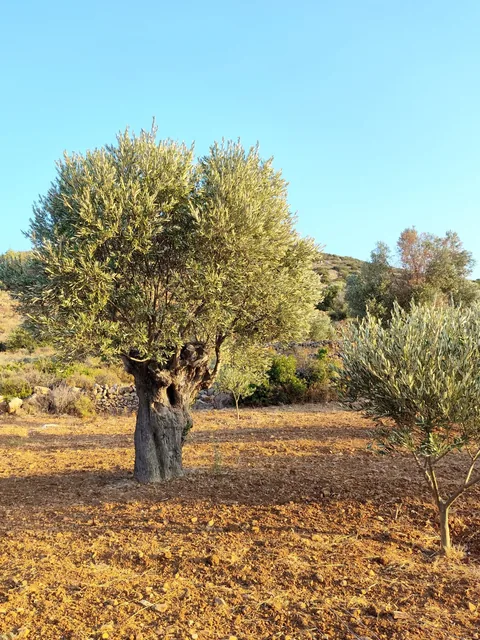
Carry value across time and distance. Between generations, residents and diaspora, projects and what remains afterwards.
Care for what is shared. Public space, knowledge, heritage, landscape and community institutions matter because people hold them in common.
Our fields of action
Four connected ways of working for a living community.
Our fields are deliberately broad. AMIA remains open to new ideas and challenges as they emerge.
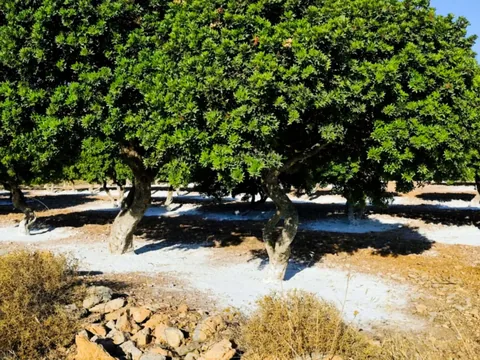
Living heritage & identity
Heritage is something people live, practise, transmit, reinterpret and care for — from mastic cultivation and architecture to stories, migration, memory and Mestousika.
transmission · language · memory
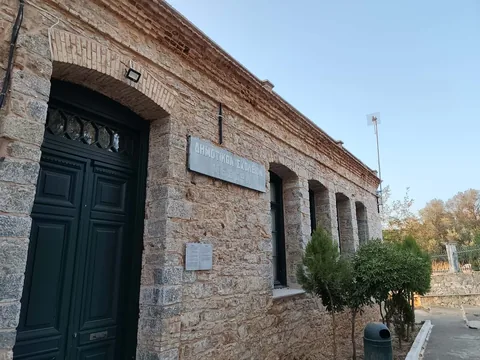
Learning, creativity & generations
Learning happens through play, theatre, language, agriculture, crafts, research, technology and encounters between generations. Children and young people are part of the village’s future, not peripheral to it.
place-based learning · creativity · generations
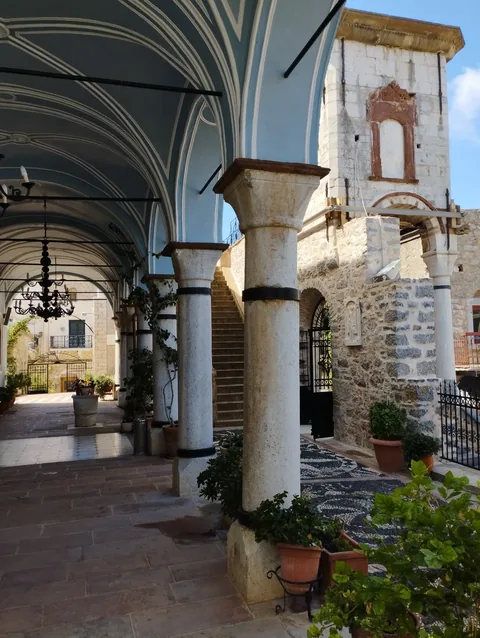
Community, participation & collective action
Participation can mean a committee — but it can also mean teaching a skill, giving an afternoon, recording a story, repairing something, sharing expertise or helping an idea happen.
volunteering · participation · commons

Mesta & rural futures
We connect heritage with year-round liveability: landscape stewardship, demographic renewal, climate resilience, public space, mobility, livelihoods, services and responsible visitor economies.
resilience · liveability · rural innovation
How we work
Learn. Activate. Connect.
Professional expertise matters. So does knowledge accumulated through everyday experience. AMIA brings the two into the same space and turns ideas into practical community meaning.
We learn
We listen, document, research and exchange knowledge across ages, professions, cultures and places.
We activate
We turn ideas into workshops, learning, volunteering, cultural creation, research, environmental action and practical experiments.
We connect
Residents and diaspora. Children and older generations. Local organisations and researchers. Volunteers and professionals. Mesta and other places.
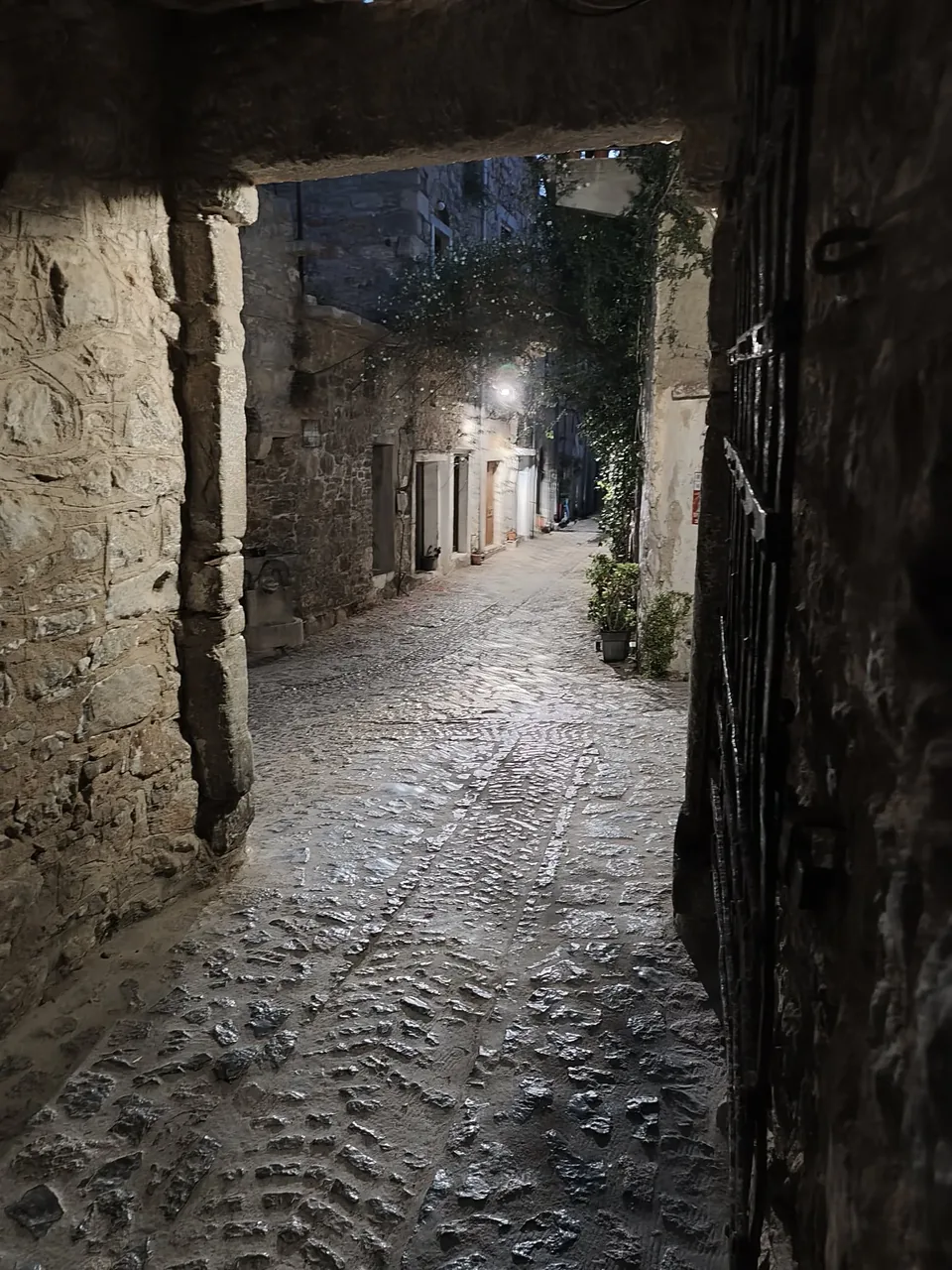
A living community is made through everyday encounters as much as through formal programmes.
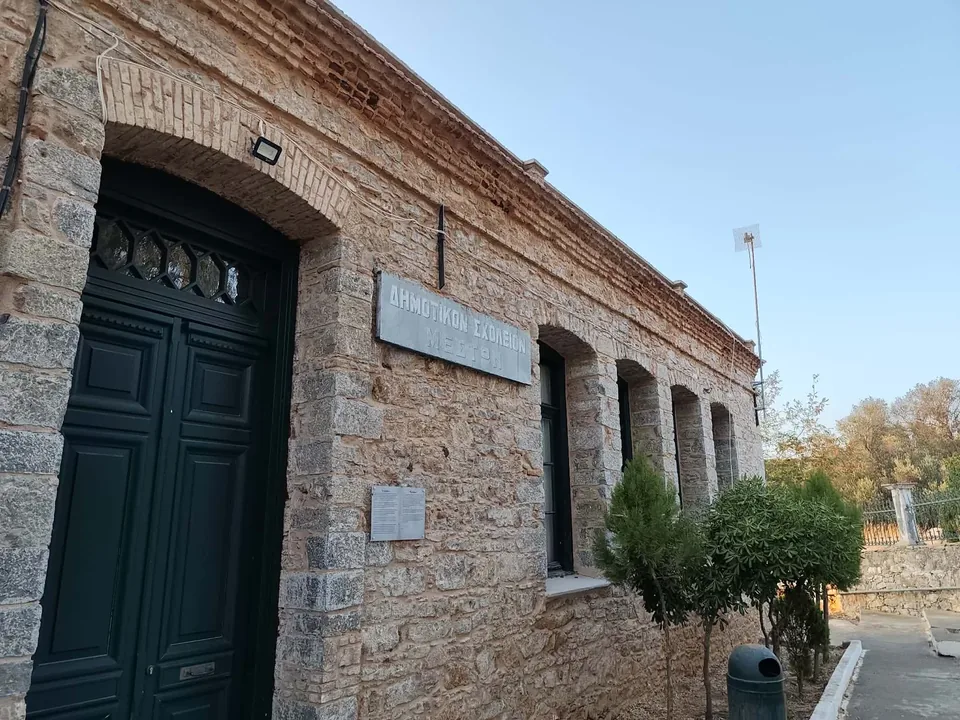 The School of Mesta
A community inheritance
The most meaningful way to honour a school is to make it a place of learning again.
Built through community and diaspora contribution, the former primary school carries generations of educational memory. AMIA sees it not as a building to claim, but as a potential learning commons whose future should be shaped collaboratively.
Its possible new life can include learning, creativity, theatre, workshops, children’s activities, oral history, research, exhibitions, community meetings and exchanges with people from elsewhere.
“A school built collectively by the community; a school that helped generations enter the wider world; and potentially a new place through which the wider world can meet Mesta.”
Mesta Living Lab
A real community environment for learning by doing.
Mesta is not a laboratory in which outsiders experiment on local people. The idea is the opposite: residents, researchers, educators, artists, practitioners, public bodies, businesses and volunteers work together to understand problems, develop ideas, test responses and learn from experience.
The subject may change — language, democratic participation, arts, ageing, climate, digital inclusion, public space, AI, migration, entrepreneurship or traditional skills. AMIA’s competence remains the same: preparing the ground in which knowledge and innovation can meet lived community reality.
Local by identity. European by outlook.
Projects are vehicles, not goals.
European and international cooperation can bring resources, knowledge, partners and opportunities that are difficult for a small rural community to reach. It also gives Mesta something important to contribute.
We are not interested in being a picturesque pilot location or a passive dissemination partner. We bring community mobilisation, co-design, lifelong and intergenerational learning, living-heritage practice, participatory research, volunteering and the ability to translate ideas into community-level practice.
Independent capacity.Collaborative legitimacy.
From projects to lasting capacity
Something useful should remain.
A successful initiative should leave behind more than reports and photographs. It may leave trained people, recurring activities, relationships, educational resources, a digital archive, equipment, a reactivated space, stronger local organisations — or simply a new possibility that did not exist before.
External funding should accelerate community capacity, not temporarily substitute for it.
Mesta is our centre, not our boundary.
How can small historic rural communities remain living communities in the twenty-first century?
There will not be one answer. AMIA exists to help create the conditions in which people, knowledge, relationships and ideas can connect, grow and endure.
Contact
Start a conversation.
We welcome thoughtful partnerships with communities, educators, researchers, artists, public bodies, civil-society organisations and people who share an interest in living heritage and rural futures.